
Prague, CZ
For collaborations, licensing, or photo purchases, please contact me preferably by email at:
info@stellas.cz


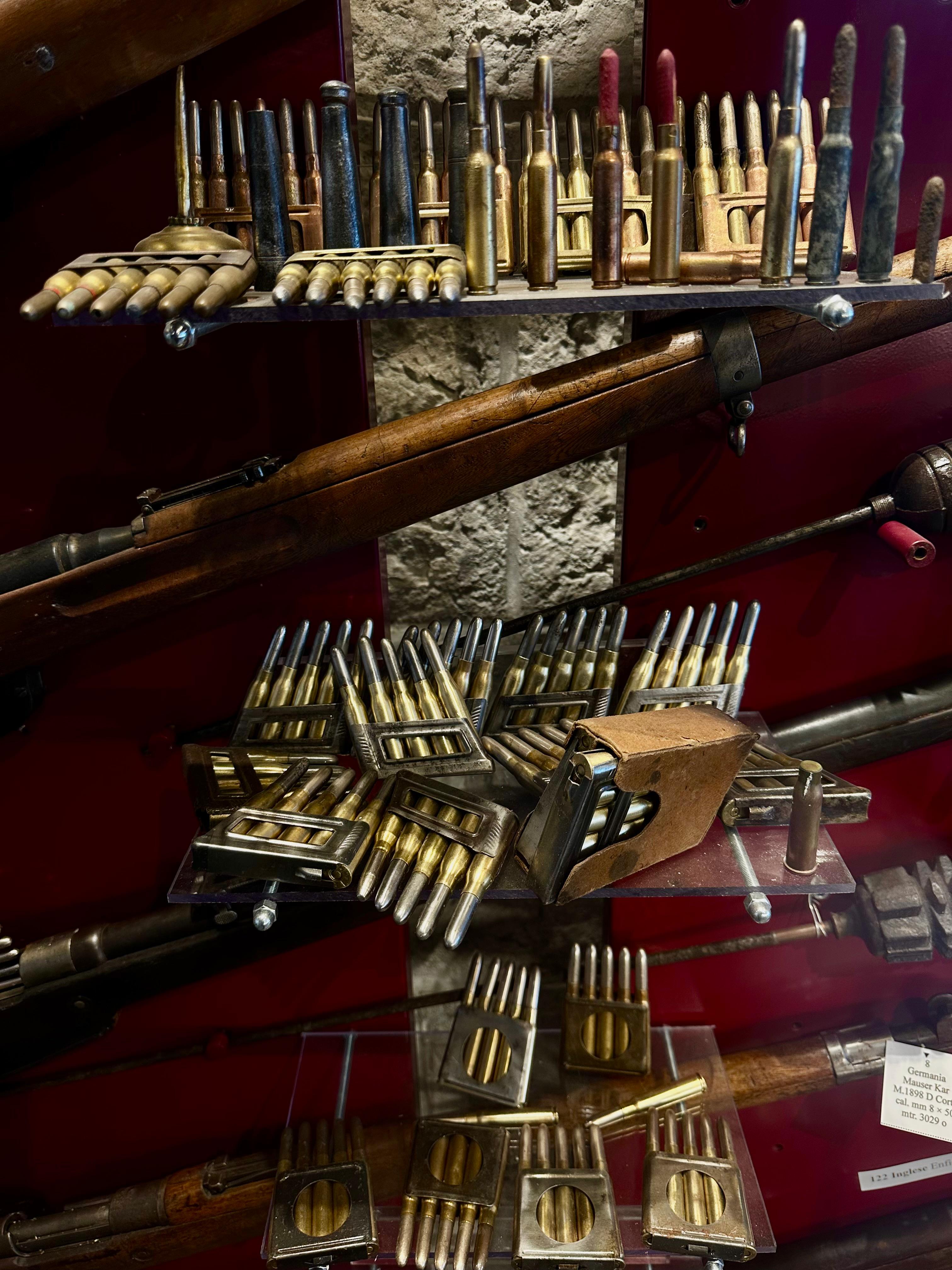
There are places where history is difficult to imagine because the world around them is simply too beautiful. Tre Sassi is one of them.
Surrounded by the extraordinary landscape of the Dolomites, immense rock faces, high mountain passes, deep valleys, clear lakes and a silence that seems almost absolute, it is hard to reconcile what we see today with what happened here little more than a century ago.
I have visited the Museo della Grande Guerra Tre Sassi several times, and each time I have found myself thinking less about military history itself and more about the people who were forced to live it.
It is difficult to comprehend what existence must have been like for soldiers stationed at these altitudes. The cold, the snow, the wind, the isolation. Steep slopes that are demanding even for a modern hiker had to be crossed carrying ammunition, supplies, weapons and equipment. Heavy artillery was transported and positioned in terrain where simply walking can be exhausting.
Much of it was done by human strength.
Men dug into rock, lived in primitive shelters and trenches, climbed mountains in freezing temperatures and remained there for weeks and months. They were expected not merely to survive the landscape, but to fight a war in it.
And then there were the ordinary horrors of war if anything about war can ever be called ordinary.
Fear. Injury. Death. The disappearance of friends from one day to the next. Letters arriving from home, or failing to arrive. Families waiting hundreds of kilometres away, often knowing almost nothing about what their sons, husbands, brothers or fathers were experiencing.
The suffering did not end with the soldiers. War reached villages, families and civilians throughout the region. Lives were interrupted, homes abandoned, communities divided and an entire landscape became part of a front line.
Perhaps this is what I find most disturbing here: the contrast. The mountains were just as magnificent then as they are today.
The sun still rose over the peaks. Snow covered the ridges. Clouds moved through the valleys. The lakes reflected the surrounding cliffs. Nature continued with complete indifference while human beings below were freezing, carrying guns up impossible slopes, waiting for attacks and trying to stay alive.
Today we come here voluntarily. We drive through the passes, stop to admire the view, photograph the mountains and enjoy the silence. For the men who were sent here during the First World War, these same mountains could become a prison, a battlefield and sometimes a grave.
These photographs are therefore not only memories of a beautiful place. For me, they are also a reminder of how thin the line can be between beauty and horror and of how easily a peaceful landscape can conceal the memory of unimaginable human suffering.
Explore more photography works.